AEO vs. GEO: What Business Leaders Need to Know
The Food Institute examines the difference between attracting recommendations (AEO) and converting them into loyalty (GEO), suggesting the distinction is gaining importance for restaurant and food bus

940 stories · last 30 days by relevance
The Food Institute examines the difference between attracting recommendations (AEO) and converting them into loyalty (GEO), suggesting the distinction is gaining importance for restaurant and food bus
FDA's shift to mandatory GRAS review and ultra-processed food definition will reshape ingredient sourcing and compliance burden for multi-location chains; NYC delivery labor organizing signals regulat
Women's Foodservice Forum partnered with Culture Partners to offer an accountability framework to its membership starting in October, signaling growing industry focus on structured diversity and workp

Fast-food chains are finding that heavy discounting is undermining rather than boosting their performance, suggesting the industry may be reaching saturation with promotional strategies.
An article discusses how data transparency can help foodservice operators identify and reduce costs.
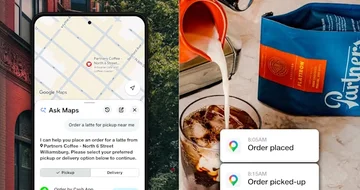
Google has integrated an AI tool into Maps that lets Square sellers accept orders and gain visibility through the platform.

QSR will report Q2 earnings with investor focus on Burger King and Tim Hortons' performance in value-driven sales, digital growth, and international expansion.
Jeff's Bagel Run, an Orlando bagel chain nearing 40 locations, built its own point-of-sale system rather than adopting off-the-shelf software, signaling that specialized operators may see custom tech
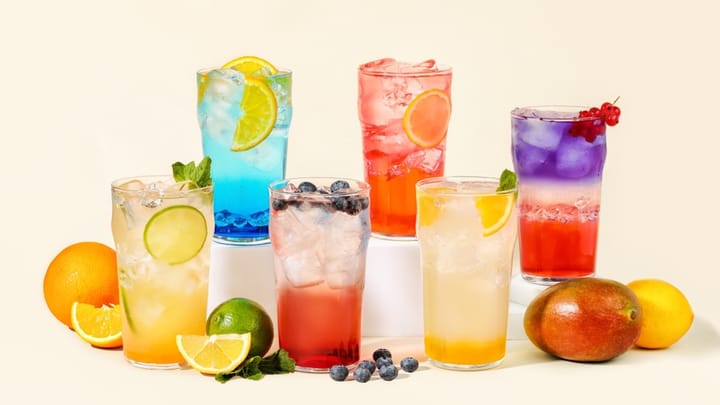
McDonald's and Taco Bell are adding energy drinks and refreshers to their beverage lineups as beverage-specialist chains gain market share.

Google Maps is adding food ordering and hotel booking capabilities, signaling an effort to position the platform as a task-completion assistant beyond navigation.
Lawmakers have criticized Sysco's acquisition of a competitor, citing concerns about potential negative effects on restaurants and farmers.
Restaurant resales declined in 2026 while turnkey and franchise deal activity increased, suggesting a shift in how operators are acquiring establishments.
Mike's Red Tacos is pursuing multi-state expansion by partnering with experienced operators, signaling confidence in franchisee-led growth as a path to scale.
Gen Alpha consumers are drawing increased marketing attention from restaurant operators, though the article raises questions about which household members actually influence dining decisions.

Block's Square has expanded its partnership with OpenTable, though the source does not specify the scope of the expansion or current adoption rates.
A chicken wings franchisee has filed for Chapter 11 bankruptcy.
Serve Robotics has partnered with Grubhub to expand robot delivery capabilities, signaling continued investment in autonomous last-mile logistics for food delivery.
Executives at Kraft, McDonald's, and Whirlpool have flagged that lower-income U.S. consumers are depleting savings due to negative cash flows, signaling potential pressure on discretionary spending in
Portillo's, Wingstop, Papa John's, and Sweetgreen stocks rose following a government report showing cooling wholesale food inflation, which signals potential relief on a major operating cost for resta
Block's Square has backed The Baked Bear, a bakery concept.
Co-branding economics reshape unit growth strategy and franchisee ROI — relevant for multi-unit expansion planning.
Fast food chains including McDonald's and Starbucks are expanding their energy drink offerings as a strategy to improve profitability.
A lender is seeking to sell 41 Qdoba locations to recover an $18 million debt owed by a franchisee, signaling financial stress within the fast-casual franchise network.
Ryan Volberg, founder of Guestologie, argues that pursuing new customers may be counterproductive to restaurant growth; the startup focuses on optimizing existing guest relationships instead.
McDonald's and competitors are finding that low-price promotions alone are insufficient to drive customer traffic, signaling a shift in how QSR chains may need to compete beyond discount mechanics.
Taylor Farms has issued additional recalls over salmonella concerns, signaling ongoing food-safety challenges in fresh produce.
Restaurant Brands International, the Burger King parent owned by Bill Ackman for over a decade, is said to have current momentum.
Taylor Farms is recalling more than a dozen prepared foods containing jalapeños due to salmonella concerns, following a recent cyclospora outbreak tied to the company by federal health officials.
The CDC is tracking two separate Salmonella outbreaks linked to eggs and restaurant-chain jalapeños affecting 30 states, signaling ongoing supply-chain vulnerability in high-volume food distribution.
Dine Brands is expanding its dual-branded restaurant footprint, a strategy that may signal confidence in unit economics where shared real estate and operations can reduce costs for franchisees.
PAR Technology reported strong Q2 2026 results and raised its full-year outlook, signaling confidence in sustained demand for its restaurant technology solutions.
Restaurant chain Nolboo filed for court rehabilitation proceedings as its operating losses increased, suggesting financial stress among casual-dining operators in its market.
Crunchtime has expanded its AI platform to include capabilities beyond demand forecasting, though specific features and business impact remain unclear from available information.
Dine Brands reported Q2 2026 results that exceeded expectations.
Chipotle, Domino's, and Starbucks are each testing limited-time offerings and new formats—two LTOs at Chipotle, a single-serve rectangular pizza at Domino's, and the return of Starbucks' Pumpkin Spice
Independent operator scales from one to three locations using QSR management discipline — modest case study in neighborhood-tailored unit operations, but single-brand and pre-25-location stage.
Synchrony is embedding loyalty and discount intelligence into AI shopping assistants, shifting when discount offers appear from checkout to the pre-purchase decision stage. This signals a shift in how

Chili's has posted strong recent results, while CAVA, McDonald's, and Domino's also reported quarterly performance and new product launches—though some restaurant marketing campaigns have underperform
Francisco Partners agreed to acquire Canadian payments provider Moneris from BMO and RBC for $1.4 billion, signaling continued consolidation in the payments infrastructure space.

Salad and Go filed for bankruptcy and closed its remaining locations, with Dutch Bros acquiring many of its leases.
Uber's restructuring toward robotaxis and delivery automation may reshape delivery economics for restaurant partners, though the impact on margin and volume timing remains unclear.

Independent restaurants are outpacing chains in sales growth, signaling a potential shift in consumer preference toward non-chain establishments.

The National Restaurant Association's 2026 beverage trends report identifies consumer interest in drink-centric experiences as a growth area for restaurants, signaling potential menu and revenue diver

Ashley Morris, CEO of Capriotti's and Wing Zone, argues that strong product-market fit can allow founders to overcome operational mistakes—a view shaped by his transition from finance to acquiring and
Einstein Bros. Bagels is planning an expansion, signaling renewed operator interest in the bagel category after a period of decline.
Restaurant chains are launching value promotions ahead of the back-to-school season, responding to expected record spending during the period.

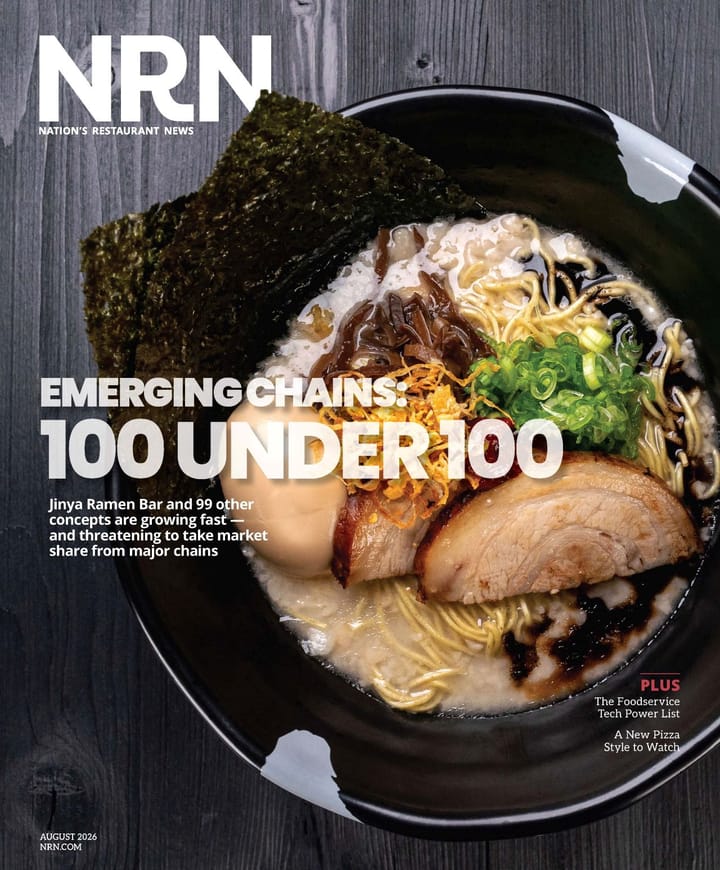
Nation's Restaurant News identified 100 emerging restaurant concepts with sub-100-unit footprints that achieved growth in the past year.

The MAHA movement is advancing a proposed FDA rule to regulate foods labeled as Generally Recognized as Safe, signaling a potential shift in how food safety standards are enforced in the industry.

A new Qu report tracks how quick-service and fast casual restaurants are moving beyond testing digital tools toward operational deployment.

Alameda County postponed a vote on a proposed $30 minimum wage until 2028, signaling potential headwinds for aggressive wage policy in a major restaurant market.