Reuters
Chipotle Mexican Grill pulls jalapenos linked to Minnesota salmonella cases, Bloomberg News reports
Food-safety crisis forcing immediate ingredient removal—operators must model rapid menu impacts and supplier vetting rigor.
2,714 stories · last 30 days by relevance
Food-safety crisis forcing immediate ingredient removal—operators must model rapid menu impacts and supplier vetting rigor.
SoFresh opened its 28th location in Nocatee, Florida, expanding its fresh-casual footprint through franchise partnership.

A franchisee resource examines earnings potential for Layne's Chicken Fingers franchise operators.
US restaurant sales increased despite fewer dine-in visits, suggesting operators shifted successfully toward off-premise channels or adjusted their business models.
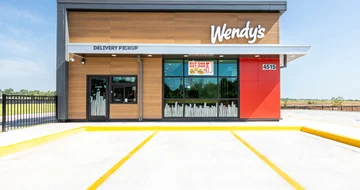
Wendy's stock declined following apparent setback in takeover prospects, raising questions about the company's strategic direction.
Restaurants facing sustained inflation across food, labor, and operations cannot rely on pricing alone; back-of-house optimization alongside menu strategy may help preserve margins.

Food ingredient contamination prevention requires multiple checkpoints across the supply chain rather than relying on a single safeguard.
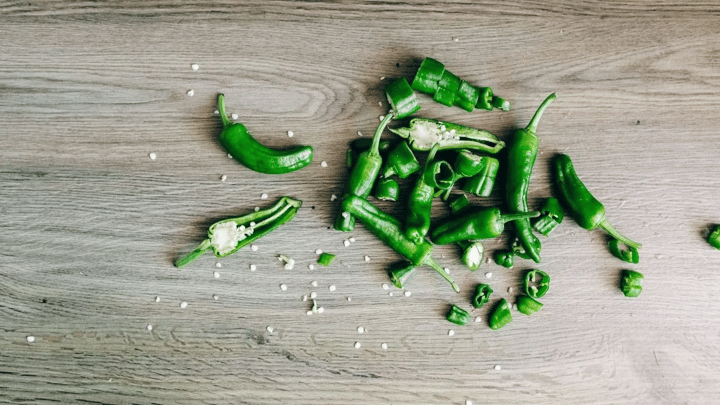
Chipotle's 4,000-unit milestone signals continued growth capacity; worth understanding what unit economics and unit-level profitability look like at that scale.
David Cantu, a former restaurant operator, is addressing pain points he experienced during nearly two decades in the industry by developing tools aimed at giving operators better visibility into their
A Schoox survey found that a majority of young restaurant workers report inadequate training from employers, highlighting a gap between employee learning needs and what operators provide — a mismatch

Darden and other sit-down dining stocks outperformed in Q2 earnings, signaling potential resilience in the full-service segment as consumers navigate economic conditions.
Panera is expanding its points-based MyPanera loyalty program to all locations following a pilot phase, signaling confidence in a rewards structure designed to drive repeat visits and transaction data
Bonchon's CEO discussed the brand's adoption of AI to streamline operations, signaling that quick-service chains are exploring automation to improve efficiency and margins.

Dutch Bros agreed to acquire real estate and site assets for up to 65 Salad and Go drive-thru locations across four states, with the deal expected to close in Q3 2026; the acquisition signals the chai
Chipotle is entering Saudi Arabia with its first location in Riyadh via a partnership with Alshaya Group, signaling continued international expansion into new markets.
The restaurant industry is undergoing a structural shift where successful operators across QSR, fast casual, and full-service segments are strategically repositioning, signaling that market consolidat

Mizuho analysts believe Cava's latest commentary on Cyclospora's near-term impact has allayed investor concerns, as the stock posts its strongest day in five months.
Chili's has driven sales growth through restaurant renovations and discounted menu offerings, signaling that casual-dining operators may be using tactical pricing and unit refreshes to compete in a co
GEN Restaurant Group has received a $100M acquisition proposal.
Wendy's stock rose despite management cutting dividends and withdrawing guidance, signaling investor appetite for turnaround efforts over near-term distributions when fundamentals have weakened.
Culver's is expanding its distribution infrastructure to support planned annual growth of more than 50 new locations.
Outback Steakhouse held its first managing partners conference since 2019 in June, where new CEO Mike Spanos—a former Delta Airlines operations executive who joined in September 2024—appears to have g

Restaurant Brands beat second-quarter earnings forecasts, with Burger King's strong performance driving comparable sales growth while other brands posted mixed results.
McDonald's profit beat estimates despite U.S. sales missing forecasts, signaling that promotional strategies may not be effectively driving customer traffic.
Analysts are examining Texas Roadhouse's expected operational metrics beyond headline earnings for the quarter ending June 2026, signaling investor focus on underlying unit-level performance drivers.
7 Brew released its first mobile app, featuring order-ahead and expanded rewards functionality.
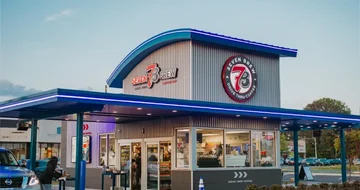
Chipotle removed jalapeños linked to salmonella cases in Minnesota, signaling renewed scrutiny of produce sourcing and food-safety protocols in fast-casual dining.
Wonder acquired Salt Hank's, Uber exited its Serve delivery platform, and Qu Foods hired Paul Rubin—three separate moves signaling ongoing consolidation and leadership shifts in restaurant technology
Dubai restaurants are adopting AI technology to personalize the dining experience.
The family behind Shah's Halal Food has obtained U.S. franchising rights for a Dubai-born tiramisu-focused dessert concept that offers the flavor across desserts, beverages, and soft serve.

Domino's launched 'The Domino,' a Detroit-style personal pizza shaped like the brand's logo, and is giving away $1 million worth as part of a promotion.
Domino's China master franchisee delivered strong unit growth and 20%+ revenue expansion — demonstrates international scale and franchise-model strength in high-density markets.
Wonder acquired another New York City restaurant brand, while Qu, Uber, Serve, Palona, and MarginEdge made executive and funding moves.
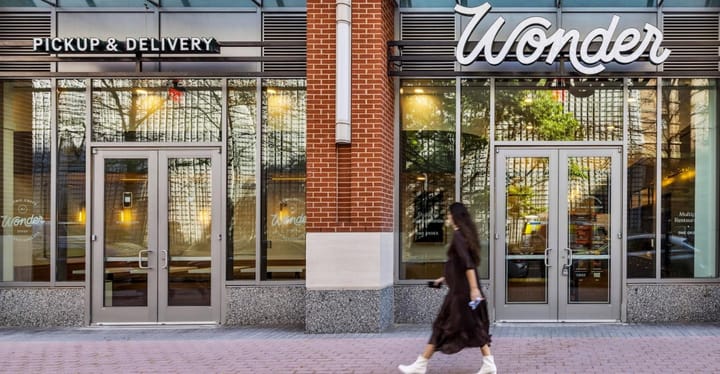
Dave Thomas's grandson Sean Thomas is applying lessons learned from his grandfather at both Minnie Bird, a Chicago chicken chain, and his own Wendy's franchise.
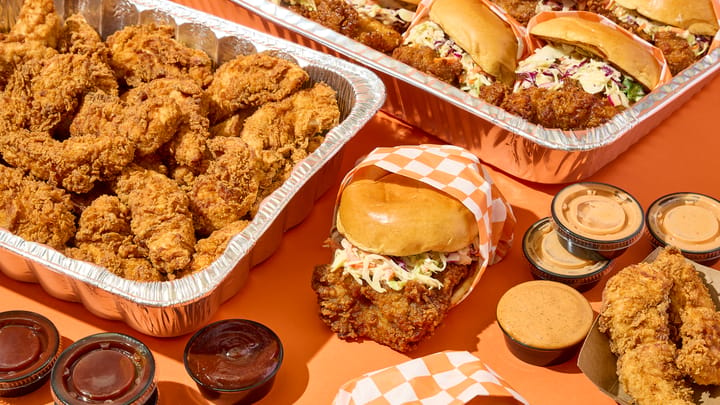
Wendy's U.S. president has departed the company to lead a supply chain cooperative.
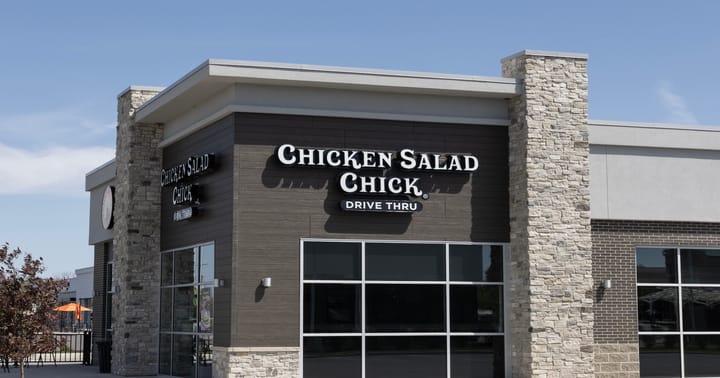
Chicken Salad Chick ranked at the top of YouGov's study of emerging restaurant brands, which evaluated chains using key performance metrics.
Red Lobster has relaunched its Endless Shrimp promotion for a second time in 2024 after the spring iteration outperformed internal expectations, signaling strong customer demand for the high-volume pr
.png?width=720&quality=80&disable=upscale)
Burger King surpassed Wendy's in burger sales, a shift that may prompt net lease investors to reassess their valuations of quick-service restaurant assets.
Restaurant Brands International reported Q2 2026 increases in sales, revenue, and net income alongside a third-quarter dividend declaration and capital return completion, signaling management confiden
Cava's stock rose following reported increases in foot traffic to its locations.
Senior hire at a multi-location brand signals growth ambitions — CDO appointments at scaled chains often precede franchise acceleration or new unit formats.

Krispy Kreme reduced capital spending by 70% through a shift to franchising its store network.
Restaurant Brands International beat second-quarter earnings expectations, driven by strength at Burger King.
Taco Bell and Taylor Farms face a proposed class action lawsuit related to a cyclospora outbreak, signaling potential liability exposure for QSR chains linked to contaminated ingredient suppliers.
Nolboo, a Korean franchise chain that once operated around 1,000 stores, has filed for corporate restructuring after operating losses increased sharply year-over-year, signaling potential distress in
DoorDash is projecting strong growth amid sustained demand for delivery services.
Buc-ee's has built a high-volume convenience model around foodservice, merchandising, and facility standards that differentiate it in the category.
House Foods Group is considering removing CoCo Ichibanya curry chain from its portfolio.
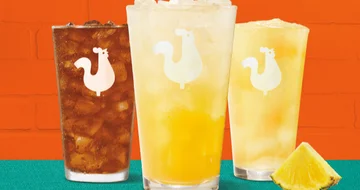
Popeyes has launched a pineapple drink line.
BJ's Restaurants stock rallied 43.7% over three months amid improvements in traffic, menu innovation, and profitability, though its elevated valuation may limit near-term upside.