QSR Magazine
Potbelly to Make Georgia Debut in September
Potbelly is opening its first Georgia location on September 1, marking the chain's expansion into a new state market.

2,735 stories · last 30 days by relevance
Potbelly is opening its first Georgia location on September 1, marking the chain's expansion into a new state market.
Brinker International reported same-store sales growth at Chili's in Q4 fiscal 2026 with expanded margins, and management guided to continued sales and traffic gains in fiscal 2027.
Trian Fund Management is reportedly preparing a take-private bid for Wendy's backed by Middle Eastern investors and franchise partners, signaling activist investor confidence in operational restructur
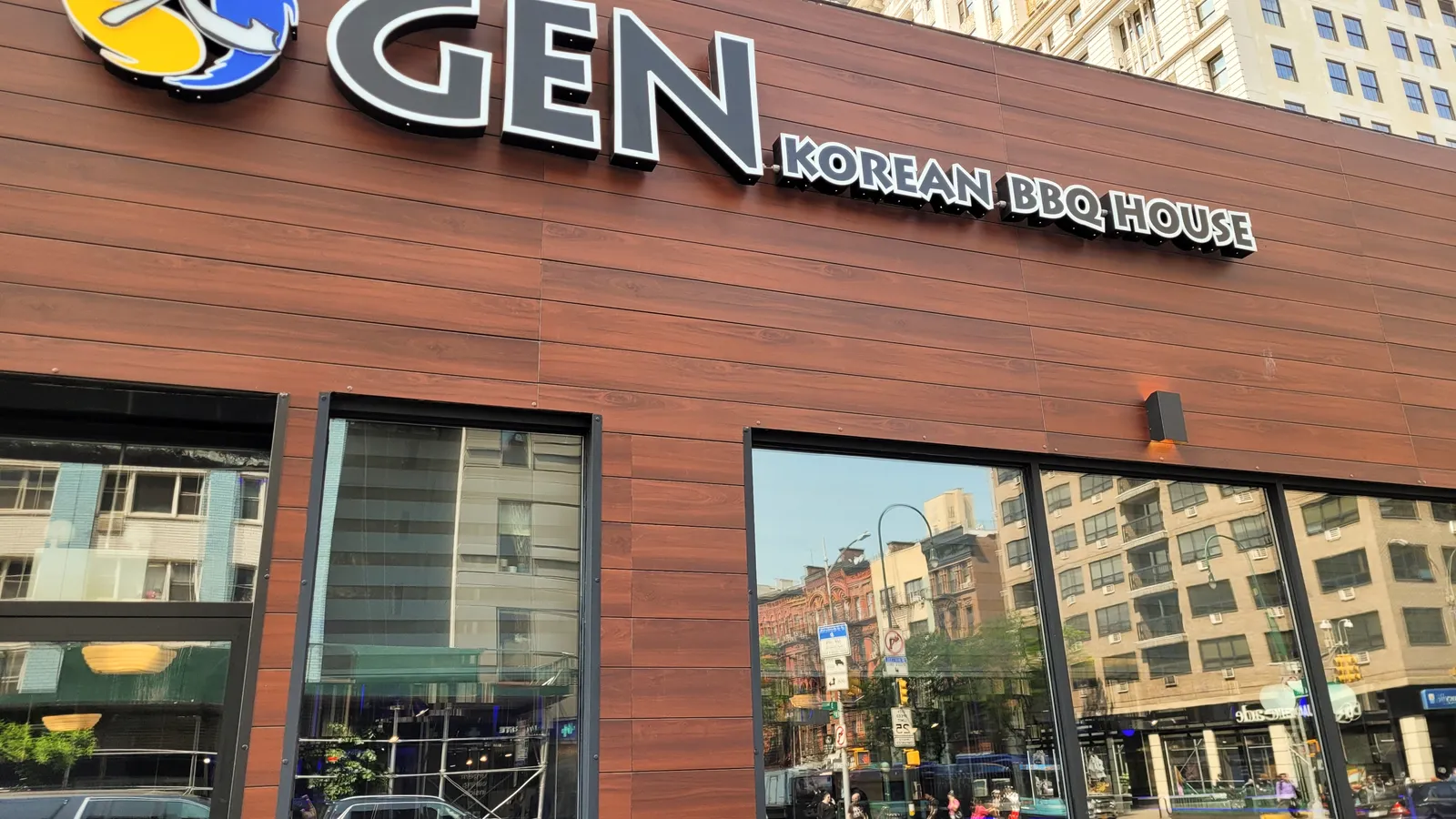
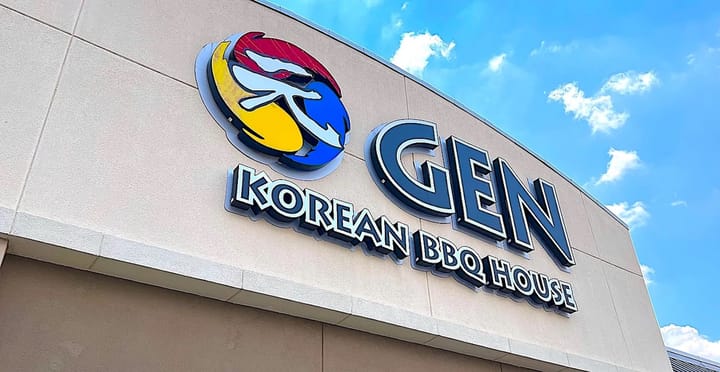
Gen Restaurant Group is considering a $100M offer for its BBQ chain, potentially freeing capital to shift toward consumer packaged goods with lower development costs.
Wendy's second-quarter earnings declined year over year as traffic weakened, prompting the company to withdraw its financial outlook.
Wendy's cut its dividend and withdrew forward guidance while developing a turnaround plan focused on menu and marketing improvements, signaling investor pressure amid declining U.S. customer traffic.
Gen Korean BBQ is considering selling all 59 of its restaurants in a roughly $100 million transaction, potentially shifting the brand toward retail operations.
Taco Bell is navigating a Cyclospora outbreak linked to lettuce from supplier Taylor, underscoring that restaurants need robust recall protocols even when suppliers bear primary responsibility for con

Jollibee's North America president discusses strategies contributing to the brand's unit economics, as the Philippines-based chain operates over 1,700 locations globally with roughly 100 in North Amer
Jeff's Bagel Run has awarded a 10-unit franchise agreement for Eastern and South Central Pennsylvania, marking the brand's entry into the state and signaling expansion beyond its current footprint.
McDonald's returned $37 billion to shareholders through buybacks and dividends while its stock underperformed the broader market, raising questions about capital allocation efficiency.
Chipotle placed content creators in its kitchens as part of a restaurant-focused marketing initiative.
Brinker International issued fiscal 2027 guidance above Wall Street consensus, projecting adjusted EPS of $12.60–$13.40 and revenues of $6.15B–$6.27B, which helped drive a recent stock surge despite m
Taystee's Burgers, a 10-unit quick-service chain based in the Detroit area, operates premium burger concepts inside gas stations and is preparing to expand into new markets.

Restaurant operators are increasingly shifting focus from transaction-based metrics like cover counts to guest lifetime value, suggesting a broader industry move toward understanding and retaining ind

Congressman Nadler and Representative Frost have called for an antitrust investigation into Sysco's $29.1 billion acquisition of Restaurant Depot, citing concerns that the deal could raise costs for r
Restaurant brands are increasingly using AI and location data to refine site selection, marketing, and loyalty programs, reflecting broader shifts in how operators approach foot-traffic strategy in a

A Toast survey shows fast casual operators remain growth-focused despite cost and labor headwinds, signaling confidence in the segment's resilience amid near-term operational pressures.
McDonald's CEO Chris Kempczinski faces mounting pressure from weak U.S. traffic, value strategy missteps, and market-share losses, mirroring conditions that led to a predecessor's departure and signal
The Scream Truck is positioning itself for franchise expansion by adding brand partnership revenue opportunities alongside its ice cream operations.

Wendy's U.S. traffic declined 12.5%, prompting a five-point operational reset focused on value, branding, execution, digital, and unit economics—signaling management's attempt to arrest traffic loss t
Sysco reported record fiscal 2026 sales of $84.6 billion and announced a $29.1 billion acquisition of Jetro Restaurant Depot, signaling aggressive consolidation in the food-service distribution market
Long John Silver's is rolling out a fall menu emphasizing comfort items and value pricing while pursuing expansion under new ownership, suggesting a focus on traffic-driving promotions alongside physi
CAVA reported Q2 results above expectations with higher sales, net income, and EPS, alongside restaurant unit growth and menu expansion, raising questions about whether the gains are already reflected
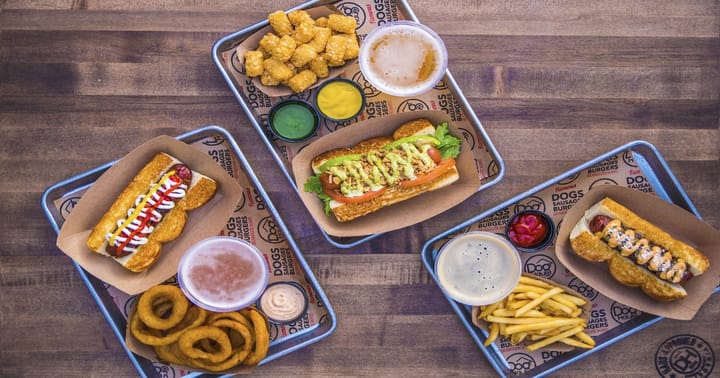
Dog Haus hired James Field, a former executive from Jersey Mike's, as its new CMO, alongside other marketing team promotions and new hires.
KFC and Taco Bell's chief technologist is deploying AI and automation tools across the brands' combined restaurant footprint, signaling restaurant operators' continued investment in labor-augmenting t
Panera has revamped its loyalty program to include a points system, tiered membership levels, and expanded reward options, signaling a shift toward more granular customer engagement and potentially hi
Panera launched a redesigned points-based MyPanera rewards program, signaling a shift toward flexible redemption models that may help brands compete for repeat transactions in a crowded loyalty landsc
McDonald's has faced traffic challenges despite years of price increases used to offset inflation, signaling potential limits to pricing power as a growth lever in the QSR space.
An Italian restaurant chain in bankruptcy has closed 50 locations and exited a state entirely.
Burger King is competing in a crowded fast-food market where rising beef and operational costs challenge all burger chains.
CAVA reported a Q2 beat driven by strong traffic and continued expansion, though rising costs in food, labor, and delivery are squeezing margins—signaling operational leverage challenges even as top-l
Wendy's shares surged 16% after reports that Nelson Peltz's Trian Fund Management is developing a proposal to take the company private, signaling renewed activist interest in operational restructuring
Brinker International's stock rose 12.3% following mixed Q4 results and an upbeat 2027 outlook, suggesting investor confidence in the casual-dining operator's forward trajectory despite near-term head
Cava reported 9% same-restaurant sales growth in its fiscal second quarter, signaling that consumers continue to dine out despite broader spending caution—a data point that may indicate resilience in
Chicken tenders are appearing across new restaurant categories and concepts, signaling continued menu diversification around a familiar, accessible protein.

Wendy's restaurant closures signal a broader industry shift toward prioritizing unit economics and smaller formats over rapid expansion.
Chipotle posted traffic gains in Q2 and guided to low-single-digit comparable sales growth for 2026, though third-quarter softness may test whether the turnaround is sustainable.
McDonald's Q2 earnings met revenue expectations with earnings slightly above consensus, as management cited inconsistent value-menu execution and operational complexity for slower U.S. performance.
Wendy's largest shareholder, Trian Fund Management, is assembling a consortium of institutional investors and franchisees to pursue a take-private bid, signaling activist pressure for operational or s
Wendy's stock surged after reports that a major long-term institutional investor is leading an effort to take the company private.
Wendy's stock is surging amid reports of a potential takeover bid to take the company private.
Brinker International's stock rose Wednesday after the company issued an upbeat outlook for fiscal 2027.
Wendy's stock rose 15% on news that a billionaire investor is preparing an offer to take the struggling chain private, signaling investor appetite for consolidation in challenged quick-service segment
CAVA exceeded Q2 earnings and revenue expectations driven by increased customer traffic and restaurant unit expansion, though margin pressure from elevated food, labor, and delivery costs signals pers
Investor Nelson Peltz is preparing a bid to acquire Wendy's, signaling activist interest in the burger chain.
CAVA reported 9.0% same-restaurant sales growth led by increased customer traffic rather than price increases, signaling the chain is expanding by volume rather than margin optimization.
CAVA opened 94 new locations, expanding its store base by nearly 20%, with the new restaurants performing better than expected; this suggests the chain is maintaining unit-level economics while scalin
Cava reported better-than-expected Q2 2026 earnings driven by same-store sales and traffic growth, signaling strong operational execution amid competitive fast-casual dining.
Cava Group reported second-quarter revenue and customer traffic that exceeded analyst expectations, lifting shares roughly 10% and signaling sustained growth momentum for the fast-casual chain.