Are Restaurants Overreacting to GLP-1 Trends?
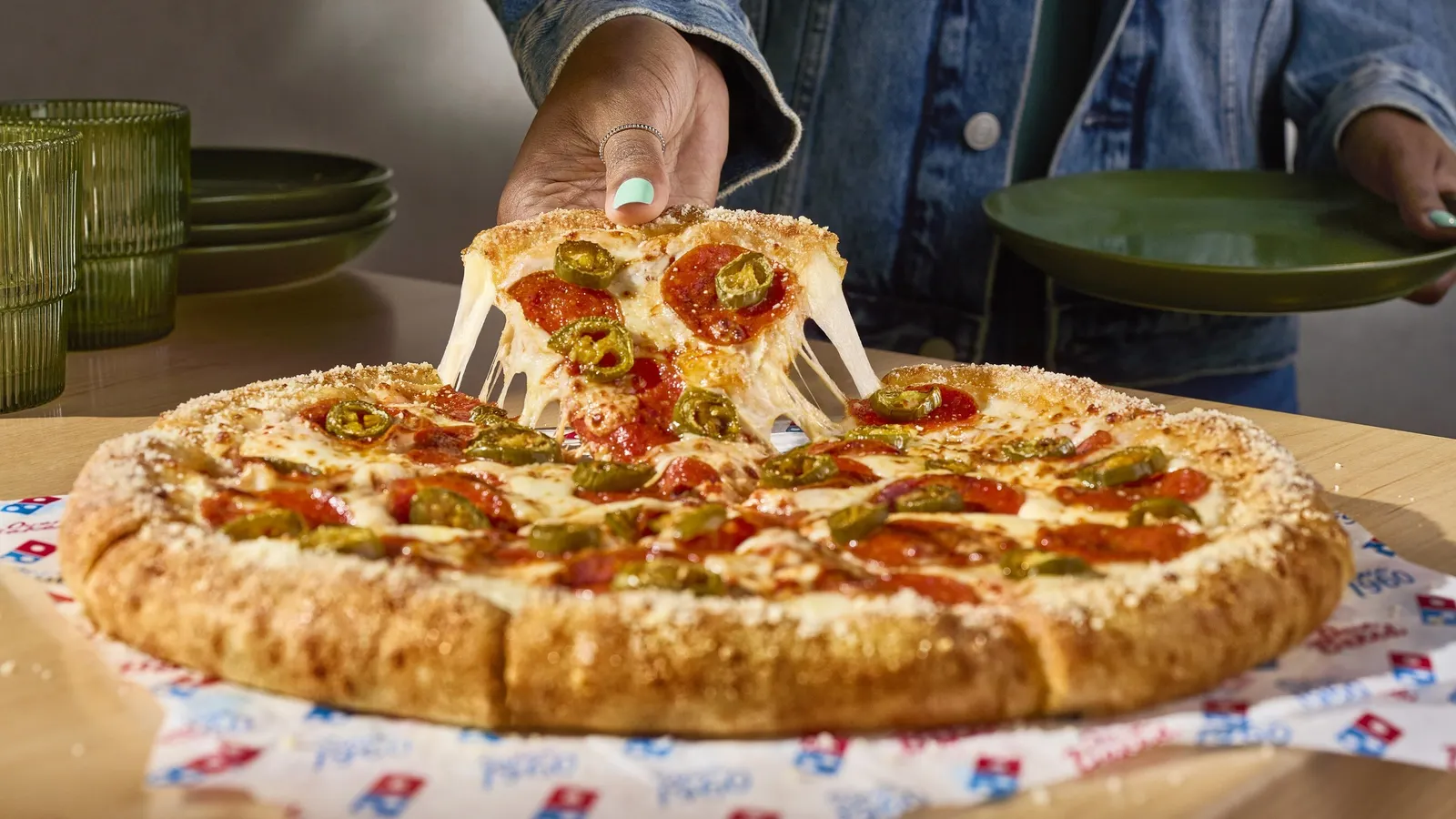
GLP-1 drugs have drawn intense media attention for their potential appetite-suppressing effects on food and beverage consumption, though the article questions whether restaurant operators may be overe

56 stories · last 7 days by relevance
GLP-1 drugs have drawn intense media attention for their potential appetite-suppressing effects on food and beverage consumption, though the article questions whether restaurant operators may be overe

Tiered menu pricing programs may be losing effectiveness as saturation sets in, signaling that restaurants could need to recalibrate their value positioning strategies.

Nearly half of U.S. diners switched their favorite restaurant last year, up from 33 percent the prior year—a shift that signals growing customer volatility and potential vulnerability in restaurant lo
Nation's Restaurant News reports on restaurant industry headwinds including mass closures and job losses, alongside Jersey Mike's planned IPO and recent employment data.
Jersey Mike's ranks highly on the ACSI customer satisfaction index, attributed to its fresh ingredients and made-to-order sandwich model.

Quick-service restaurant traffic declined 4.4% in May, signaling softer consumer demand in the sector.
Grocery stores are emerging as a competitive threat to fast food, suggesting a shift in how consumers choose between convenience and prepared meals.
Grocery retailers are expanding prepared meal offerings, creating new competitive pressure on traditional fast-food chains.
The restaurant sector is not following a K-shaped recovery pattern, suggesting broader economic divergence among operators may differ from expectations.
Restaurant Brands International's Burger King and Popeyes units gained U.S. traffic share relative to McDonald's and Wendy's in late June, even as the broader QSR sector faced headwinds—suggesting the
Fast-food sandwich chains are losing market share to fast-casual competitors, suggesting that consumers may be prioritizing perceived quality and business sustainability over traditional quick-service
Richmond restaurants are facing pressure from rising costs and declining customer traffic.
Placer.ai released its June 2026 mall traffic index, tracking retail foot traffic momentum as the year progresses.
A report indicates quick-service restaurants are receiving higher citation shares than fast-casual chains in AI search results.
Revenue management piece on hidden leaks in comp-set analysis — relevant for multi-unit operators rethinking how they benchmark and optimize pricing strategy.

Restaurant transactions in US World Cup host cities saw a significant lift during group stage play, suggesting major sporting events drive measurable foot traffic to dining venues.

Chef Michael White and attorney Bruce Bronster co-founded BBianco Hospitality Group in 2020, suggesting a shift toward exploring pricing strategy as a margin lever distinct from operational efficiency
McDonald's Q1 headwinds analysis reveals category-wide traffic and pricing pressures affecting even the largest QSR.

A Toast survey of 1,466 U.S. adults found that 64% of guests discovered new restaurants in 2025, suggesting diners are increasingly balancing exploration with loyalty to established favorites.
Fresh tomato prices dropped 8.5% month-over-month in May but remain 32% above year-ago levels, suggesting sustained cost pressures for restaurant operators despite recent relief.
Darden's premium brands and LongHorn are contributing to its 2025 performance.

Q1 performance analysis of two major franchise platforms shows flagship brands and fast-casual concepts driving growth in a mixed macro environment.

Retail foot traffic shifting to evening/weekend windows — multi-location operators should monitor daytime labor and daypart mix strategy against traffic trends.
.avif)
Q1 performance analysis of a major fast-casual chain offers insights into 2026 dining trends and consumer behavior for operators benchmarking their own results.
.avif)
Foot-traffic data confirms Chick-fil-A's expansion is driving sustained customer visits — a benchmark for QSR growth strategies.

Chipotle's World Cup buy-one-get-one promotion drove record traffic on a single day in 2026, according to foot-traffic data.

Placer.ai published a March 2026 dining traffic index recap.

Comparing growth strategies of two major coffee chains reveals different playbooks for traffic and unit expansion in a maturing segment.
.avif)
Swig is experiencing rapid growth that is attracting longer lines and a broader customer base.

Comparative traffic and performance trends between two fast-casual leaders reveal diverging momentum — clear signal for operators on positioning and price-value dynamics in the segment.

The National Restaurant Association's 2026 show highlighted industry discussions on current challenges and opportunities facing restaurant operators.

Darden's traffic outperformance vs. full-service peers offers a playbook signal — understand what positioning and execution is winning in casual dining.
.avif)
Nearly 9,550 restaurants opened in the first half of 2026, with new development continuing to concentrate in Sun Belt and Western markets, suggesting regional economic momentum and consumer demand rem
Placer.ai released its May 2026 dining index examining drive-thru traffic trends.
%20(1).avif)
Q1 discretionary spending analysis flags consumer resilience and ongoing category recalibration—relevant for chains assessing traffic and check trends.

Placer.ai reports that mono-brand luxury stores are experiencing disproportionate traffic losses tied to shifts in aspirational consumer behavior.

Breakfast-category trend analysis from location-traffic data may signal operator opportunities in daypart strategy and competitive positioning.

Sprouts reported slowing in-store traffic during Q1 2026, reflecting both difficult year-over-year comparisons and weaker consumer spending.

Placer.ai published a macroeconomic indicators analysis for March 2026.

Placer.ai examined expected restaurant traffic and consumer behavior patterns for Father's Day.

Atlas Restaurant Group has grown from a single Baltimore concept in 2014 to 50+ restaurants across 40 brands in five states, generating over $250 million in annual sales—a scale that signals how multi
Placer.ai's episode featuring cubeiQ's Zora Sentat explores first-party data strategies, retail media opportunities, and the role of human judgment alongside automation in customer analytics.
.avif)
A Placer.ai analysis examines how GLP-1 drug adoption may be influencing consumer shopping behavior toward health-conscious choices.
.avif)
Mall traffic recovery data may help franchise location scouts assess real-estate viability in enclosed centers.
%20(1).avif)
GPO strategies for cost management through menu optimization and supply-chain efficiency offer a systematic approach to protecting margins in inflationary periods.
Placer.ai publishes macro retail traffic data for April 2026 — aggregate trend data may signal consumer dining demand but lacks restaurant-specific insight.
.avif)
Hybrid work's impact on downtown foot traffic is relevant context, but without restaurant-specific analysis, the takeaway for chain operators is limited.

Retail traffic data may signal consumer spending pullback — operators should monitor whether restaurant traffic follows suit.

Retail traffic data tied to gas prices and weather — tangential to restaurant operations; limited direct operator action item.