The Food Institute
FI Fast Break audio news: Sept. 2, 2026
Broad food-industry policy roundup with limited restaurant-operator specificity; artificial-color removal and ranching policy are CPG/supply issues, not chain strategy.
20
524 stories · last 7 days by relevance
Broad food-industry policy roundup with limited restaurant-operator specificity; artificial-color removal and ranching policy are CPG/supply issues, not chain strategy.
A beef tariff waiver is unlikely to reduce restaurant food costs, signaling that tariff relief alone may not meaningfully improve operator margins on protein purchases.
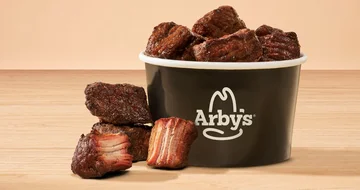
Arby's has brought back Steak Nuggets to its nationwide menu.
Wall Street analysts maintain a bullish outlook on Chipotle despite the stock underperforming the broader market over the past year, signaling continued confidence in the company's growth trajectory.
Insomnia Cookies is expanding its chunk-based cookie lineup to six additional flavors, building on the success of its top-selling Chocolate Chunk variety.

Vendor product launch with no named chain customer or adoption data — typical B2B martech positioning without operator takeaway.

Sysco is a supplier, not a restaurant operator; regulatory scrutiny of this deal affects food costs and supply chain but isn't core to brand-side marketing/loyalty strategy.
JINYA Ramen Bar is introducing two limited-time Chef's Specials for fall (Sept. 1–Nov. 30) at participating locations, signaling seasonal menu rotation as a tactic to drive repeat visits during slower

Single-location real-estate reuse — no broader signal for multi-location chain strategy or site selection trends.
Sip Fresh is expanding its location footprint while emphasizing wellness-focused beverages, signaling that customization and quality ingredients remain competitive priorities in the specialty beverage
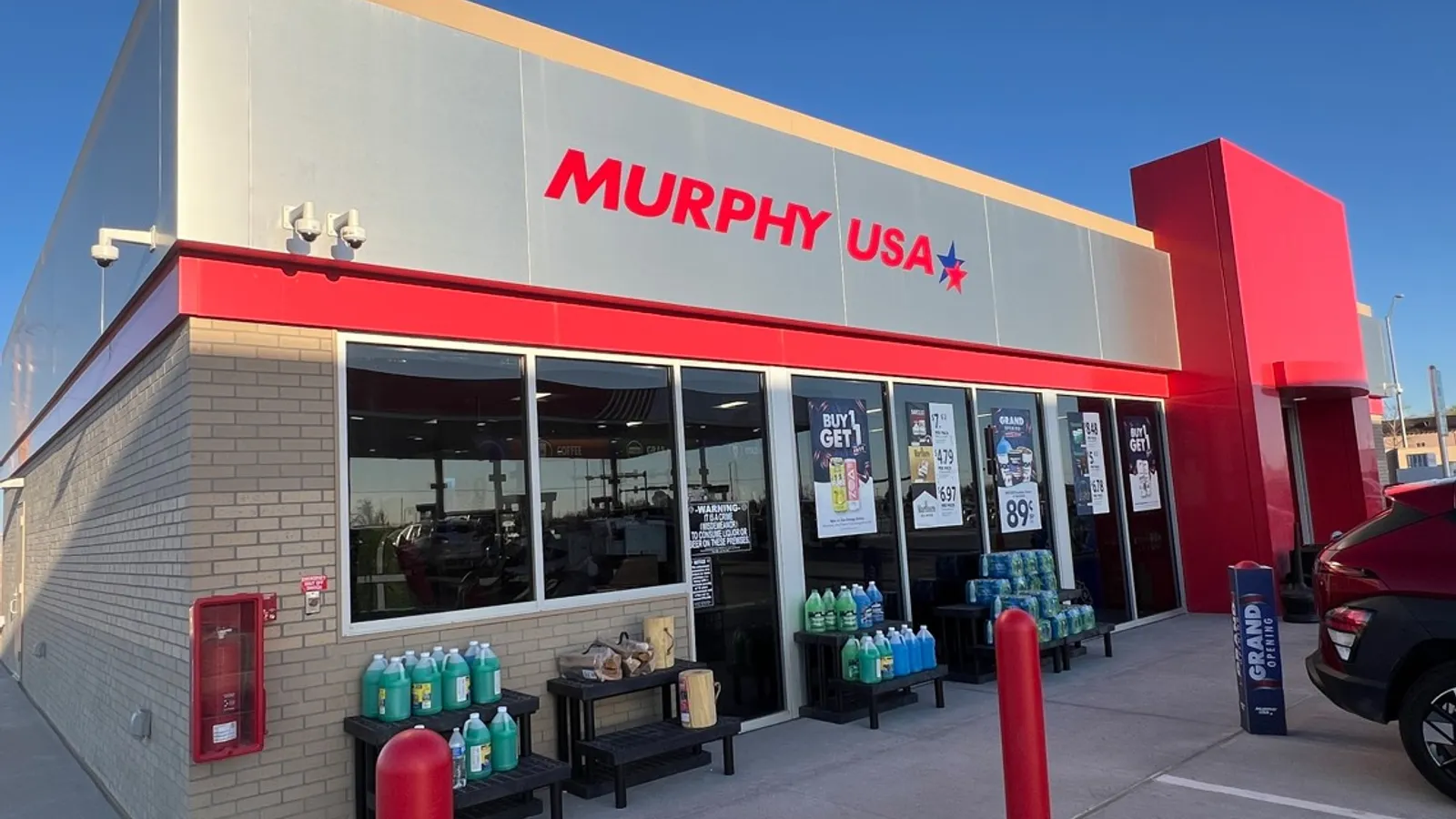
Murphy USA is piloting automated White Castle kiosks in select large-format stores through a partnership with Automated Retail Technologies, signaling QSRs' continued exploration of self-service order
Regional growth announcement with no specific unit counts, partnerships, or operational detail — standard expansion wire.
Restaurants are conducting internal kitchen audits and food safety reviews ahead of potential FDA inspections, signaling increased focus on compliance and risk mitigation.
Episode on labor cost strategy — useful if it covers actionable tactics (scheduling, mix, retention) that multi-unit operators can apply.
Monthly LTO cocktail promotion — routine seasonal beverage marketing with no operator takeaway.

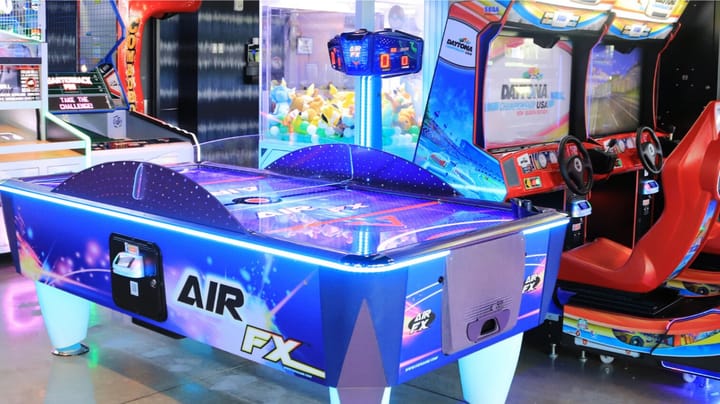
Topgolf arcade partnership expands venue experience but is ancillary entertainment, not core to multi-location restaurant operator strategy.

Seasonal menu rotation at one major chain—routine LTO execution with no broader operator insight.

Mid-size regional coffee brand running seasonal promotions—no innovation or multi-location growth signal.
McDonald's and Domino's both pursue growth through global expansion, digital initiatives, and customer engagement, though their strategies differ.
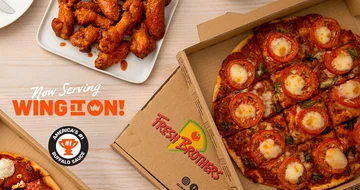
Fresh Brothers has added Wing It On, a wing concept, to its Southern California pizza restaurant locations.
Franchise news roundup with no detail — insufficient information to assess signal for multi-location operators.
UK-market closures — limited relevance to US multi-location operators unless the report names major US chains or signals broader retrenchment.
Breakfast value promotion signals ongoing price-point competition but lacks context on strategy or impact.

Monthly limited-time burger promotion — routine product marketing with no operator takeaway on pricing, positioning, or traffic impact.

Industry conference promotional post with no operational, product, or business-strategy substance relevant to multi-location operators.
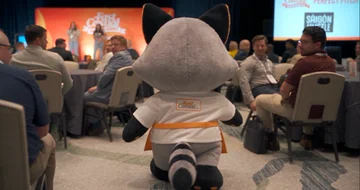
Executives from Shawarma Press, Chicken Salad Chick, and Firehouse Subs will discuss operational challenges at the Fast Casual Executive Summit.
CAVA and Chipotle are pursuing different strategies to drive restaurant traffic.
Small M&A in plant-based food — unclear if acquirer is a multi-location operator or if deal signals broader CPG/restaurant convergence.
Single international location opening at a FAT Brands casual-dining icon — incremental news without strategic implications for domestic chains.
Stoner's Pizza Joint has expanded to Wichita and Denver.
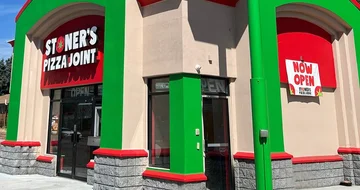
Back-to-school BOGO promo tied to one university — tactical local offer without strategic multi-location relevance.
Small-format bagel concept growth story — illustrative of niche QSR franchising but limited relevance to established multi-location brands.
Single-brand seasonal promotion campaign—promotional cadence but no structural or competitive signal.

A California dining chain closed all seven of its locations and laid off approximately 300 workers, prompting a lawsuit.
DTC lifestyle brand extends to physical retail — not a restaurant-operator growth signal, more a celebrity/CPG brand extension play.

Circana's 2026 report finds Americans are consuming nearly twice the recommended daily protein intake, with demand continuing to rise—signaling sustained opportunity for operators to feature protein-f
Single-chain expansion announcement lacks detail on strategy, unit economics, or franchising terms relevant to multi-location operators.
B2B franchise-platform exec hire — relevant only if EverSmith serves restaurant operators; otherwise, commercial-services noise.

Digital signage vendor announcement with no disclosed brand name, operator financials, or chain strategy detail — insufficient for multi-location brand operators.
A customer is suing Wendy's alleging a burger caused injury requiring nearly $100K in medical treatment, citing a pattern of fast-food litigation with mixed outcomes.
Generic stock-commentary snippet with no substance — unclear which chain(s) are discussed or what operational insights apply to restaurant operators.
Restaurant advertisers on Google and Meta in 2026 are increasingly tying campaigns to first-party guest data and closed-check outcomes rather than clicks alone, signals a shift toward outcome-based me
Poké House is opening in Las Vegas and planning further expansion in Nevada.
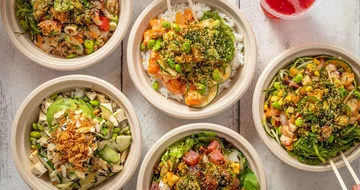
Topgolf adding entertainment amenities — non-core to restaurant operators' core loyalty and revenue levers.
New spicy salad LTO — routine menu announcement without broader chain strategy signal.
Consumer-facing promotional listicle with no operator insight into loyalty program mechanics, effectiveness, or multi-location deployment strategy.
International expansion roundup with no brand names or unit counts; insufficient detail to assess franchising or platform strategy.
Darden Restaurants will report first-quarter fiscal 2027 results on September 24, 2026, with CEO Rick Cardenas and CFO Raj Vennam leading the earnings call.
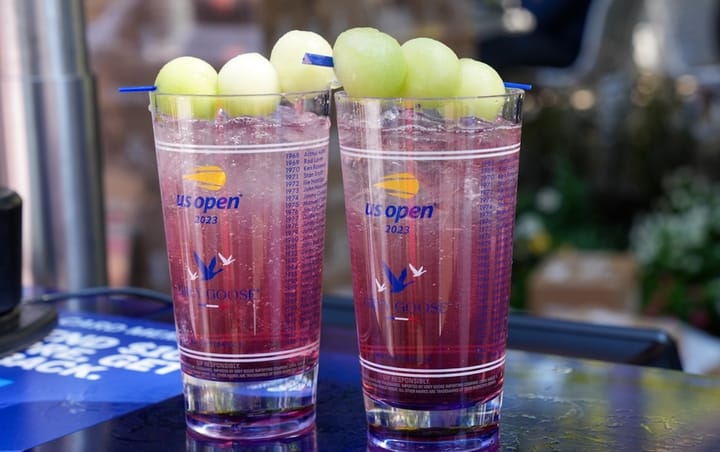
The US Open's Honey Deuce cocktail is inspiring restaurant and bar variations across New York as the tournament runs, signaling how major sporting events can drive menu innovation and traffic in adjac
HTeaO launched a month-long "Mystery Mix" promotion in September allowing franchisees to create custom secret tea blends at individual locations, signaling a shift toward localized menu customization