Pizza Marketplace
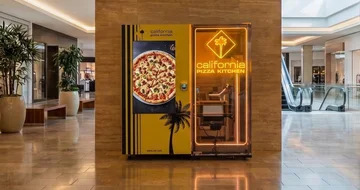
California Pizza Kitchen pizza vending machine lands at Dayton airport
California Pizza Kitchen has installed a pizza vending machine at Dayton airport, expanding its off-premise availability.
53 stories · last 7 days by relevance
California Pizza Kitchen has installed a pizza vending machine at Dayton airport, expanding its off-premise availability.
Hungry Howie's has added a new delivery partner to its Cartwheel program.
Full-service restaurants have shifted their delivery strategy from simply launching a channel to optimizing operations across kitchens and labor models, signaling that delivery management is now a cor

Panera modified its rewards program structure, signaling an effort to deepen customer retention through revised earning mechanics.
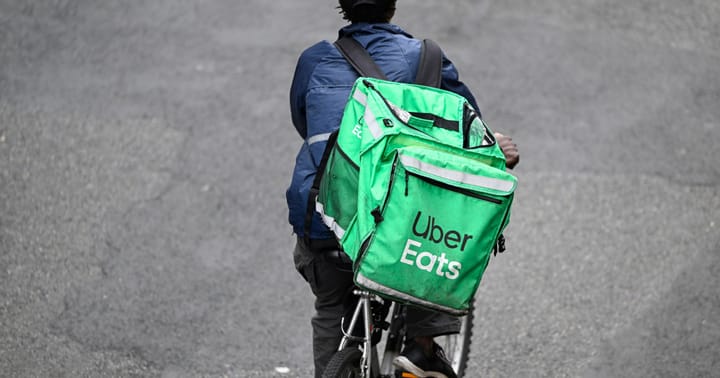
Uber cut 10% of its workforce (3,300 jobs) as part of a reorganization aimed at streamlining operations, signaling pressure to improve efficiency amid competition in ride-sharing and delivery.
Fast Casual Executive Summit (Oct. 4-6 in Arlington, Texas) will explore how integrating fragmented tech systems into a unified customer view can improve returns for fast casual brands.
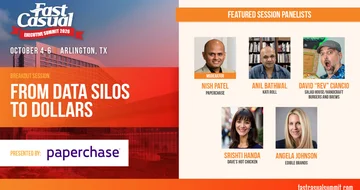
Restaurant technology has shifted from maximizing order capture across channels to a more strategic, efficiency-focused approach, signaling that operators are prioritizing quality and cost management

Chowbus and Maple have partnered to offer multilingual voice AI ordering technology to restaurants.
Fast-casual operators from Hot Head Burritos, Smoothie King, and Kraft Heinz are sharing insights on executing brand collaborations successfully at an industry conference.

PAR Technology has launched Guest360, a platform designed to unify guest data across restaurant transactions.
Chick-fil-A is closing its remaining Little Blue Menu location in College Park, Maryland, and will convert it to a standard Chick-fil-A format, signaling a shift away from its delivery-focused experim
A restaurant's reservation system captures customer data from busy service nights, creating a record of guest information.
Restaurant chains are investing in their own delivery apps to reduce third-party platform fees, though adoption remains a challenge for operators.
The founder of text-message ordering technology claims his platform powers over 800 restaurant brands including major chains like Shake Shack and Panda Express, signaling that SMS remains a viable ord
Haidilao is implementing Infobip's data-driven personalization tools to expand its loyalty program globally, signaling how hotpot chains are investing in customer data infrastructure to compete across
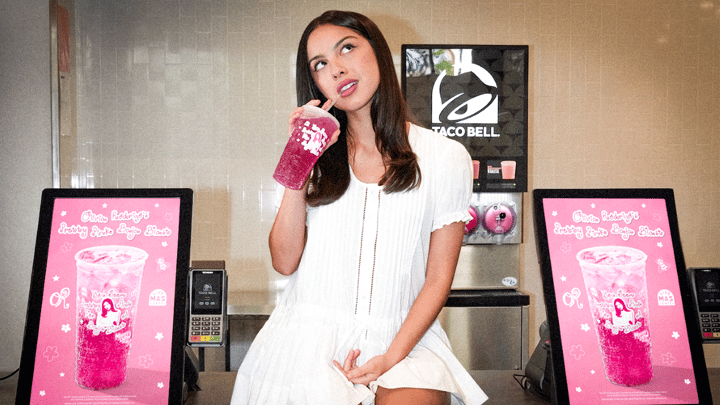
Taco Bell partnered with Olivia Rodrigo for a Baja Blast collaboration, part of broader celebrity marketing efforts across quick-service chains amid ongoing industry leadership changes.
Taco Bell partnered with Olivia Rodrigo to co-create a Baja Blast variant, signaling continued celebrity collaboration as a lever for beverage differentiation in QSR.
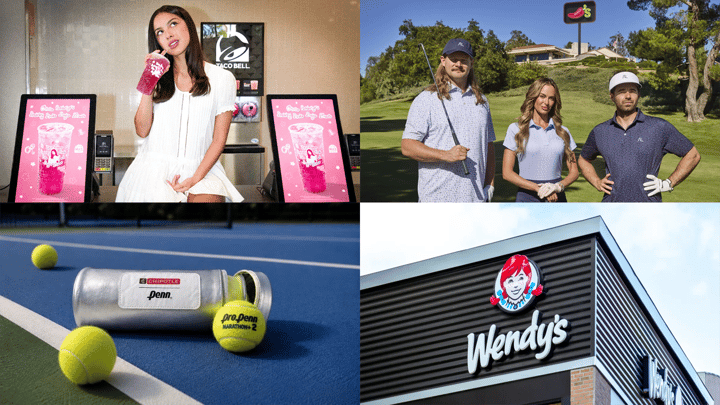
Restaurants are prioritizing first-party digital ordering channels as a strategic focus.
Restaurants are increasing customer technology investments despite traffic remaining 7% below pre-pandemic levels, suggesting operators see tech adoption as essential for competing in a slower-recover
Chipotle enlisted 100 creators to produce unscripted social and TV content showcasing the preparation of new menu items Pollo Asado and Chili Lime Chips, signaling a shift toward creator-led authentic
Del Taco is launching a new catering platform as part of its Project Del Sunrise expansion roadmap, beginning September 3.
Events and private dining have become important revenue streams for restaurants, but the booking process remains inefficient, according to TripleSeat's CEO.
Celebrity co-creation of limited-time beverages drives trial and social buzz—a scalable playbook for QSR brands chasing Gen Z traffic and shareability.
Chipotle placed content creators in its kitchens as part of a restaurant-focused marketing initiative.
Dave's Hot Chicken's CMO discusses the chain's approach to AI, using it for backend operations like customer data and financial analysis while excluding it from creative and content work.
Owner, a restaurant tech platform, raised $240 million to expand its AI-powered technology and marketing services.
Wonder acquired Salt Hank's, Uber exited its Serve delivery platform, and Qu Foods hired Paul Rubin—three separate moves signaling ongoing consolidation and leadership shifts in restaurant technology
Owner, a platform for local businesses, has raised $240M in funding led by Goldman Sachs Alternatives.
Restaurants are facing online criticism for using AI to generate menus and social media content, though some argue the practice deserves more tolerance.

Rove, a rewards platform, has expanded to include dining and in-store rewards capabilities alongside its existing offerings.
Qu has launched an embedded payment platform designed for quick-service restaurants, integrating payments directly into restaurant operations software.
Delivery Hero is emphasizing subscription services as a competitive strategy ahead of Uber's planned acquisition. The shift toward recurring revenue models signals the company's focus on customer rete
Chipotle launched a '100 Creators' campaign with an apparent openness theme, suggesting the brand is emphasizing accessibility and inclusion in its creator partnership strategy.
Jeff's Bagel Run, an Orlando bagel chain nearing 40 locations, built its own point-of-sale system rather than adopting off-the-shelf software, signaling that specialized operators may see custom tech
Firehouse Subs has appointed Camp + King as its creative agency of record, handling advertising, social media, and creative work across the 1,500-location chain.
Uber's restructuring toward robotaxis and delivery automation may reshape delivery economics for restaurant partners, though the impact on margin and volume timing remains unclear.

Block is expanding Square's presence in the restaurant sector, though the source does not provide specifics on the expansion strategy or growth trajectory.
A gas station chain is adding White Castle vending machines to its locations.
Starbucks is promoting the return of its Pumpkin Spice Latte with new ads featuring Martha Stewart and actor Belmont Cameli that playfully address the drink's cultural perception.
Consumers generate detailed personal profiles through everyday transactions like McDonald's orders and entertainment purchases, yet typically lack visibility or control over these data compilations.

Case study of a regional chain's loyalty marketing leadership — useful for peer benchmark, but limited to vendor audience context.
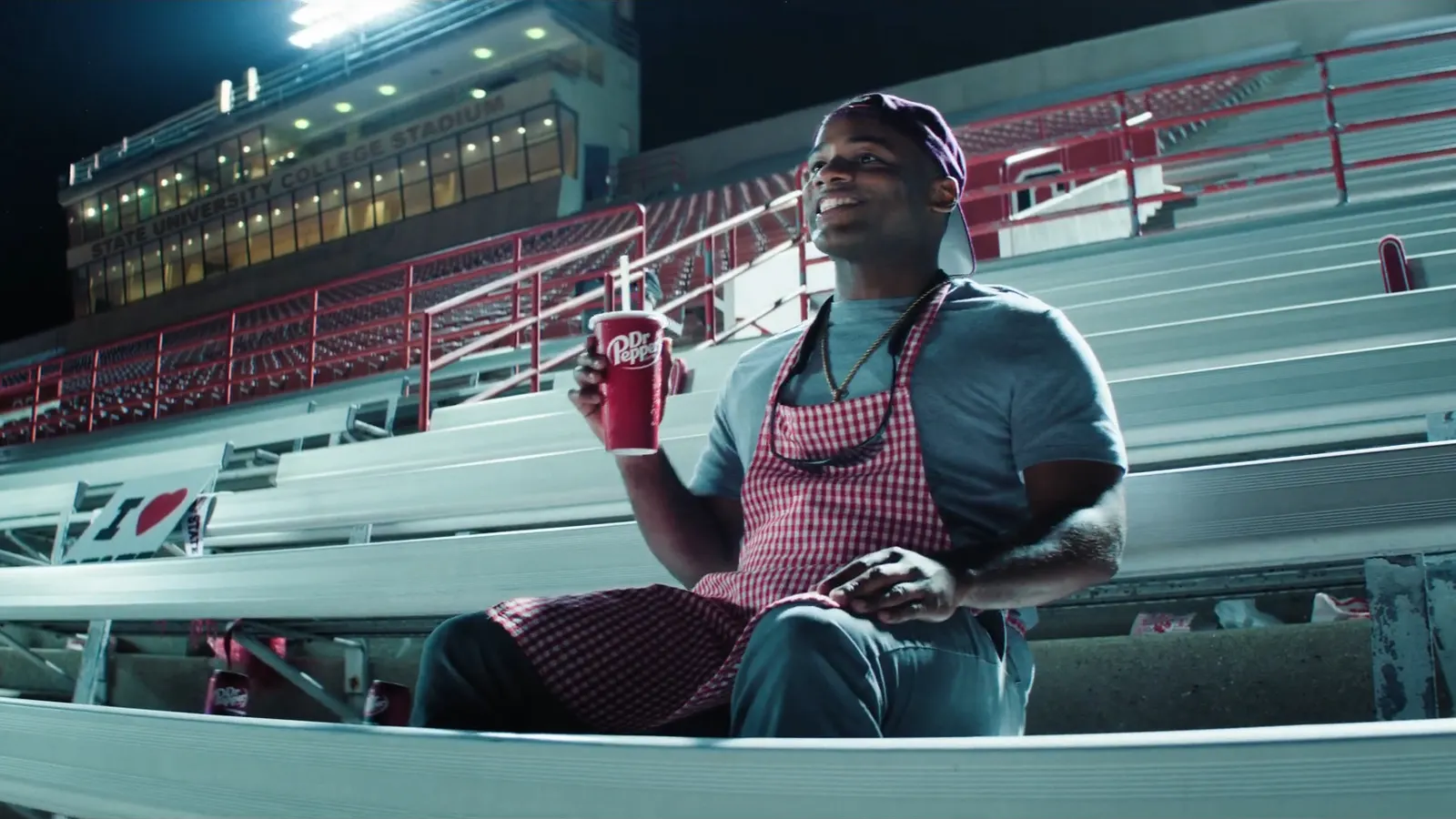
Dr Pepper's 'Fansville' campaign, now in its ninth season, uses personalization to drive college football audiences and lift sales, signals the durability of branded entertainment in sports marketing.
Rove, a loyalty program, now operates across 2,000 restaurants and offers up to 14 miles per dollar, instant gift card rewards, and a new app feature.
General influencer marketing advice for food brands — not specific to restaurant chain operations or strategy.
Single celebrity-backed delivery brand adding dine-in is not a multi-location chain story — no operator takeaway for a 25+ unit brand.
Restaurant advertisers on Google and Meta in 2026 are increasingly tying campaigns to first-party guest data and closed-check outcomes rather than clicks alone, signals a shift toward outcome-based me
General hospitality marketing theory on memory and repeat bookings — applicable but not restaurant-specific and lacks actionable operator takeaway.
Vendor integration (inventory + AP payments) — useful for operators evaluating back-office automation, but low urgency without named brand adoption.
Vendor-published framework on loyalty program pillars — useful conceptual reference for multi-location operators building or auditing their own programs, but no fresh data or brand case study.
Menu engineering and digital ordering optimization can lift margins 4–8 points — a structured framework matters more than design aesthetics.