Pizza Marketplace
Hungry Howie’s latest Cartwheel delivery partner
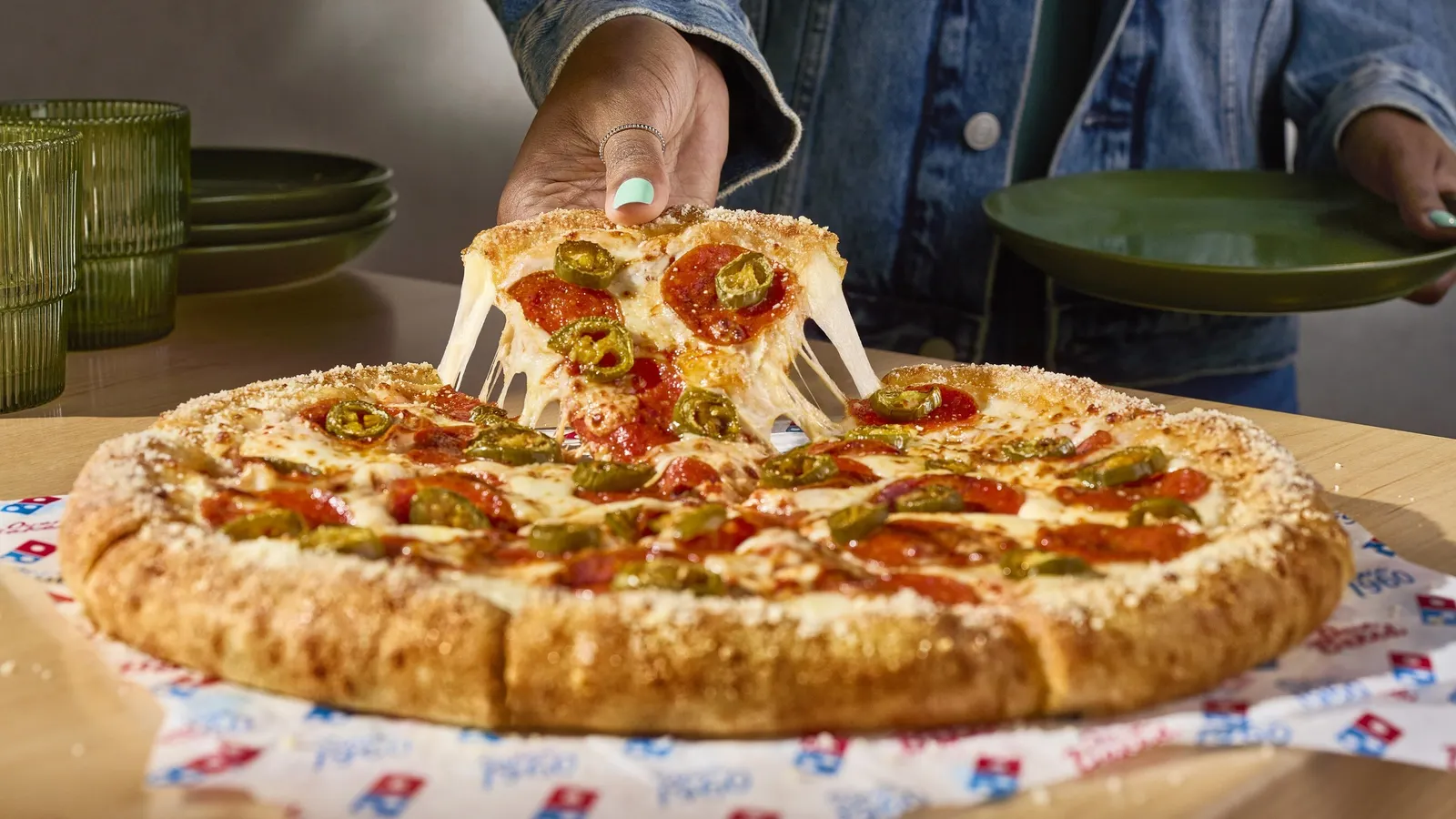
Hungry Howie's has added a new delivery partner to its Cartwheel program.
73 stories · last 7 days by relevance
Hungry Howie's has added a new delivery partner to its Cartwheel program.
McDonald's loyalty program collects granular customer data including visit frequency predictions and churn scores, illustrating how QSR operators now build detailed behavioral profiles that extend wel

Wendy's is undergoing executive changes, Taco Bell partnered with Olivia Rodrigo, and recent sales data showed gains for independent restaurants—signaling continued industry consolidation pressures an
Panera modified its rewards program structure, signaling an effort to deepen customer retention through revised earning mechanics.
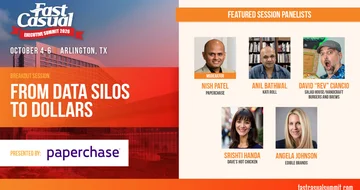
Fast Casual Executive Summit (Oct. 4-6 in Arlington, Texas) will explore how integrating fragmented tech systems into a unified customer view can improve returns for fast casual brands.
Restaurant technology has shifted from maximizing order capture across channels to a more strategic, efficiency-focused approach, signaling that operators are prioritizing quality and cost management

Chowbus and Maple have partnered to offer multilingual voice AI ordering technology to restaurants.
New research indicates GLP-1 adoption patterns are more dynamic and demographically varied than commonly assumed, with men underrepresented in typical characterizations and restaurant-level usage diff
Fast-casual operators from Hot Head Burritos, Smoothie King, and Kraft Heinz are sharing insights on executing brand collaborations successfully at an industry conference.

PAR Technology has launched Guest360, a platform designed to unify guest data across restaurant transactions.
Consumers are evaluating food choices across multiple criteria—mood, budget, time, and trust—suggesting operators need to address these layered priorities simultaneously to remain relevant.
Coffee concepts are gaining share while pizza concepts face headwinds, and some established QSR chains are undergoing turnarounds, according to Restaurant Dive's Q2 2026 analysis.
A restaurant's reservation system captures customer data from busy service nights, creating a record of guest information.
Restaurant chains are investing in their own delivery apps to reduce third-party platform fees, though adoption remains a challenge for operators.
Restaurants are adjusting menu and service offerings—portion sizes, portability, and pricing—to accommodate diners' shifting daily patterns and preferences.
Wendy's promoted a new CMO, Pizza Hut separated from Yum Brands, and independent restaurants have seen sales growth, according to a debate between industry analysts.
The founder of text-message ordering technology claims his platform powers over 800 restaurant brands including major chains like Shake Shack and Panda Express, signaling that SMS remains a viable ord
Industry experts are examining the potential federal definition of ultra-processed foods and its implications for restaurant operators, signaling possible regulatory shifts ahead.
Haidilao is implementing Infobip's data-driven personalization tools to expand its loyalty program globally, signaling how hotpot chains are investing in customer data infrastructure to compete across
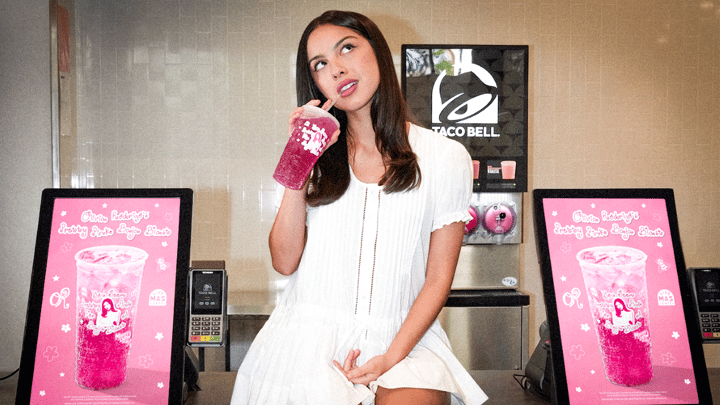
Taco Bell partnered with Olivia Rodrigo for a Baja Blast collaboration, part of broader celebrity marketing efforts across quick-service chains amid ongoing industry leadership changes.
A new research roundup from Modern Restaurant Management covers consumer traffic patterns, resale market dynamics, menu pricing, workplace meal programs, private chef demand, and sports bar attributes
Restaurant traffic declined in 2026 as inflation drove consumers toward deal-oriented channels like grocery and warehouse clubs, signaling operators should anticipate continued price sensitivity in 20
Taco Bell partnered with Olivia Rodrigo to co-create a Baja Blast variant, signaling continued celebrity collaboration as a lever for beverage differentiation in QSR.
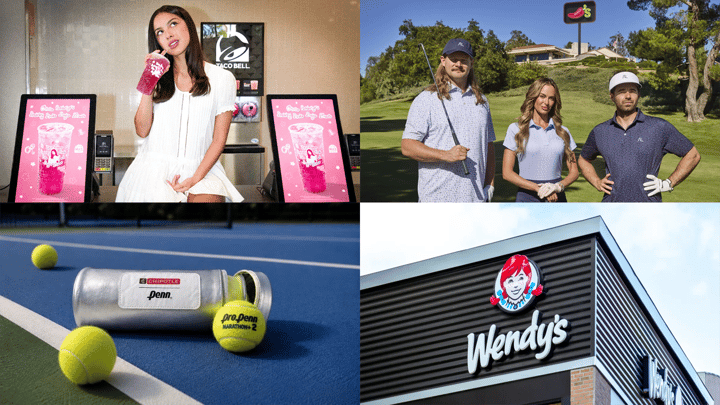
Restaurants are prioritizing first-party digital ordering channels as a strategic focus.
Restaurants are increasing customer technology investments despite traffic remaining 7% below pre-pandemic levels, suggesting operators see tech adoption as essential for competing in a slower-recover
Loyalty program fraud is now a material threat to chain revenue and customer data; credential stuffing and weak authentication are evolving attack vectors brands must defend.

Chipotle enlisted 100 creators to produce unscripted social and TV content showcasing the preparation of new menu items Pollo Asado and Chili Lime Chips, signaling a shift toward creator-led authentic
QSR Magazine published a report on average-unit volumes for emerging quick-service restaurant brands in 2026.
Del Taco is launching a new catering platform as part of its Project Del Sunrise expansion roadmap, beginning September 3.
Events and private dining have become important revenue streams for restaurants, but the booking process remains inefficient, according to TripleSeat's CEO.
Chipotle ran a school-themed buy-one-get-one promotion during back-to-school season.
Bank of America data shows bars and independent restaurants are outperforming chains, while consumers are shifting spending from grocers to restaurants.
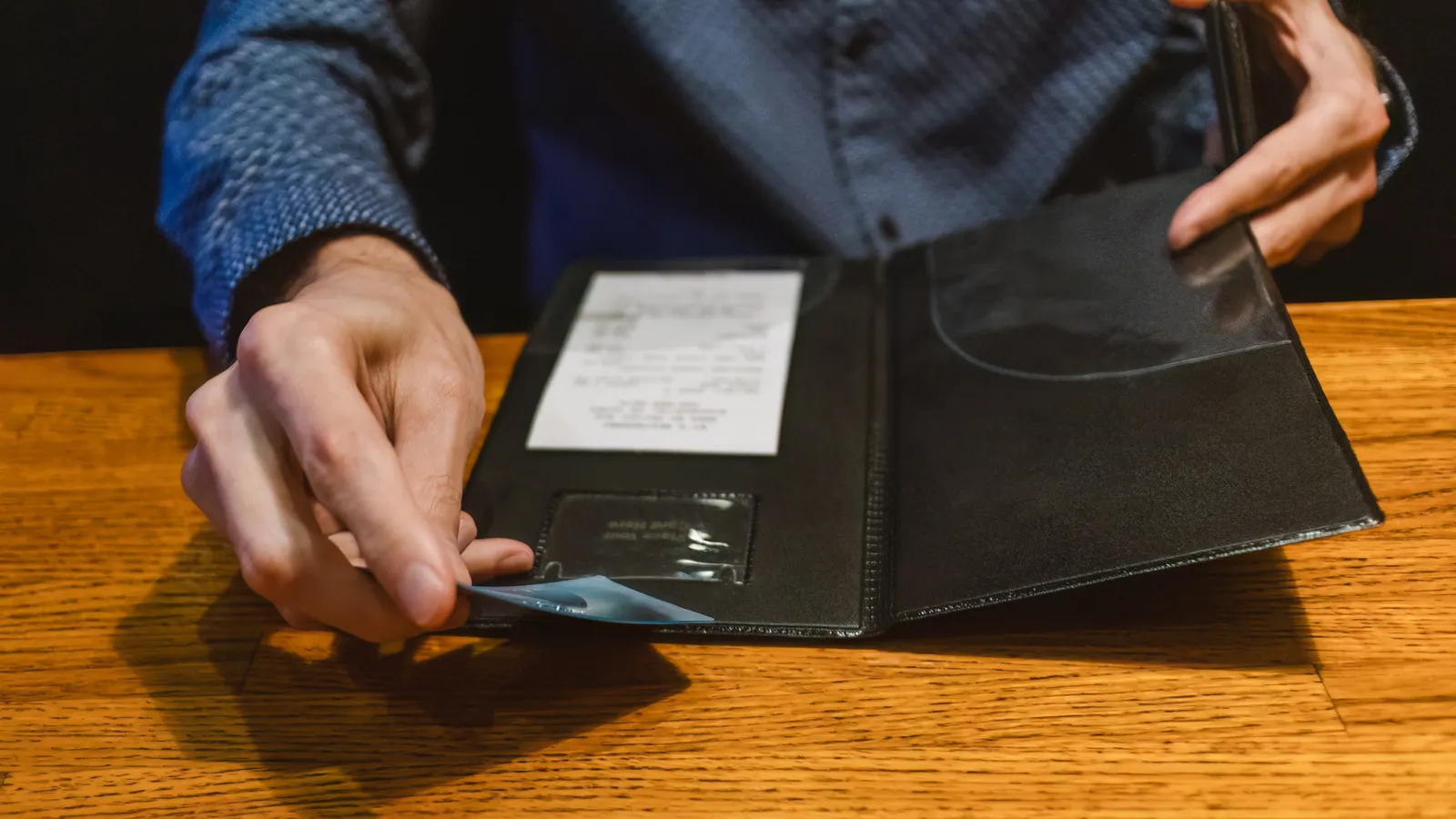
Celebrity co-creation of limited-time beverages drives trial and social buzz—a scalable playbook for QSR brands chasing Gen Z traffic and shareability.
Restaurant operators are prioritizing expansion strategies rather than scaling back operations in 2026.
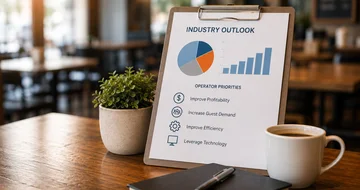
A Deloitte 2025 report found that 82% of restaurant executives across 11 countries plan to increase AI investment, though fewer than half consider their current AI implementations mature, suggesting a
The FDA is working to define ultra-processed foods, a regulatory effort that signals potential future shifts in how restaurants may need to disclose or market products.

UBS predicts US restaurant traffic will stabilize in the second half of the year following weak first-half performance, suggesting operators may see relief from consumer spending pressures.
Chipotle placed content creators in its kitchens as part of a restaurant-focused marketing initiative.
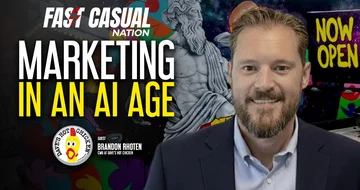
Dave's Hot Chicken's CMO discusses the chain's approach to AI, using it for backend operations like customer data and financial analysis while excluding it from creative and content work.
Owner, a restaurant tech platform, raised $240 million to expand its AI-powered technology and marketing services.
US restaurant sales increased despite fewer dine-in visits, suggesting operators shifted successfully toward off-premise channels or adjusted their business models.
Wonder acquired Salt Hank's, Uber exited its Serve delivery platform, and Qu Foods hired Paul Rubin—three separate moves signaling ongoing consolidation and leadership shifts in restaurant technology
Consumers now evaluate restaurants against a broader competitive set including grocers and convenience stores, choosing based on specific meal needs rather than dining category alone.
Owner, a platform for local businesses, has raised $240M in funding led by Goldman Sachs Alternatives.
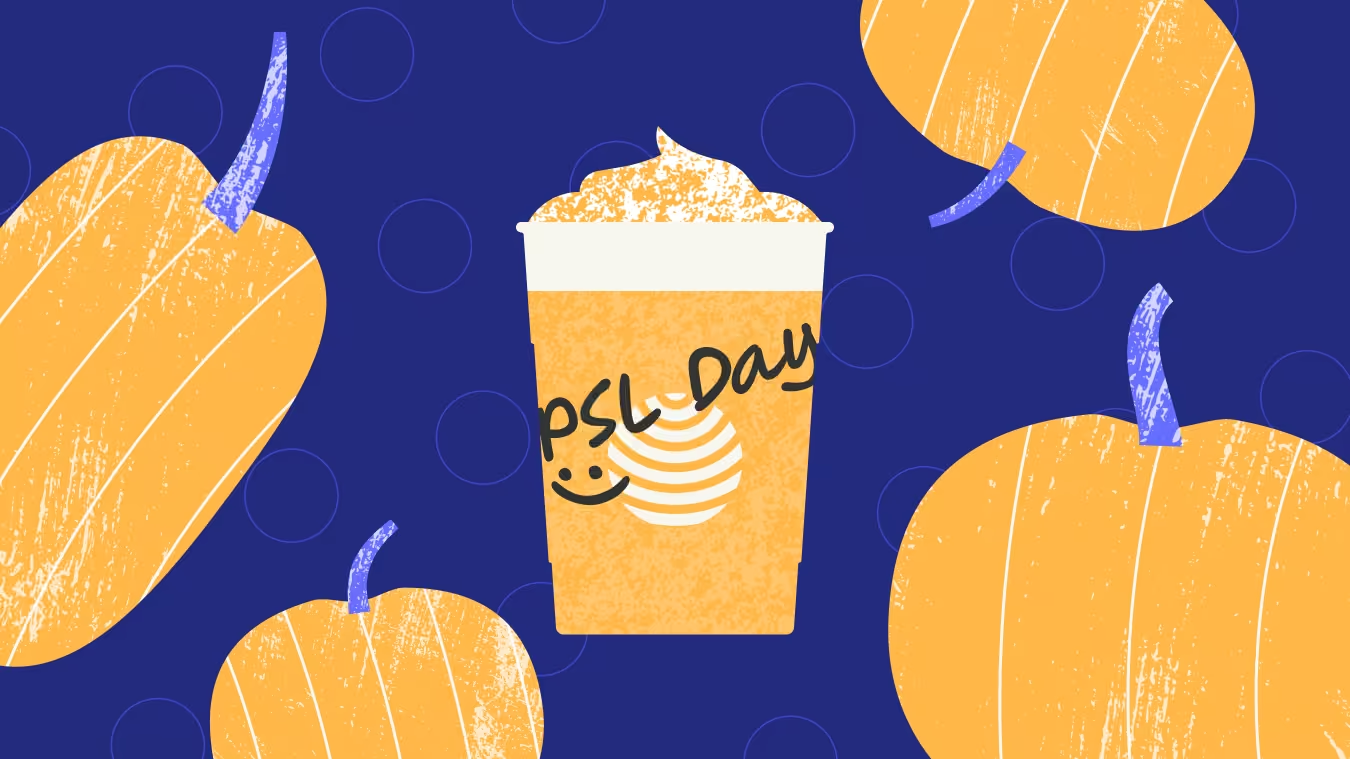
Starbucks saw elevated traffic on a Tuesday in 2026 when the Pumpkin Spice Latte returned.
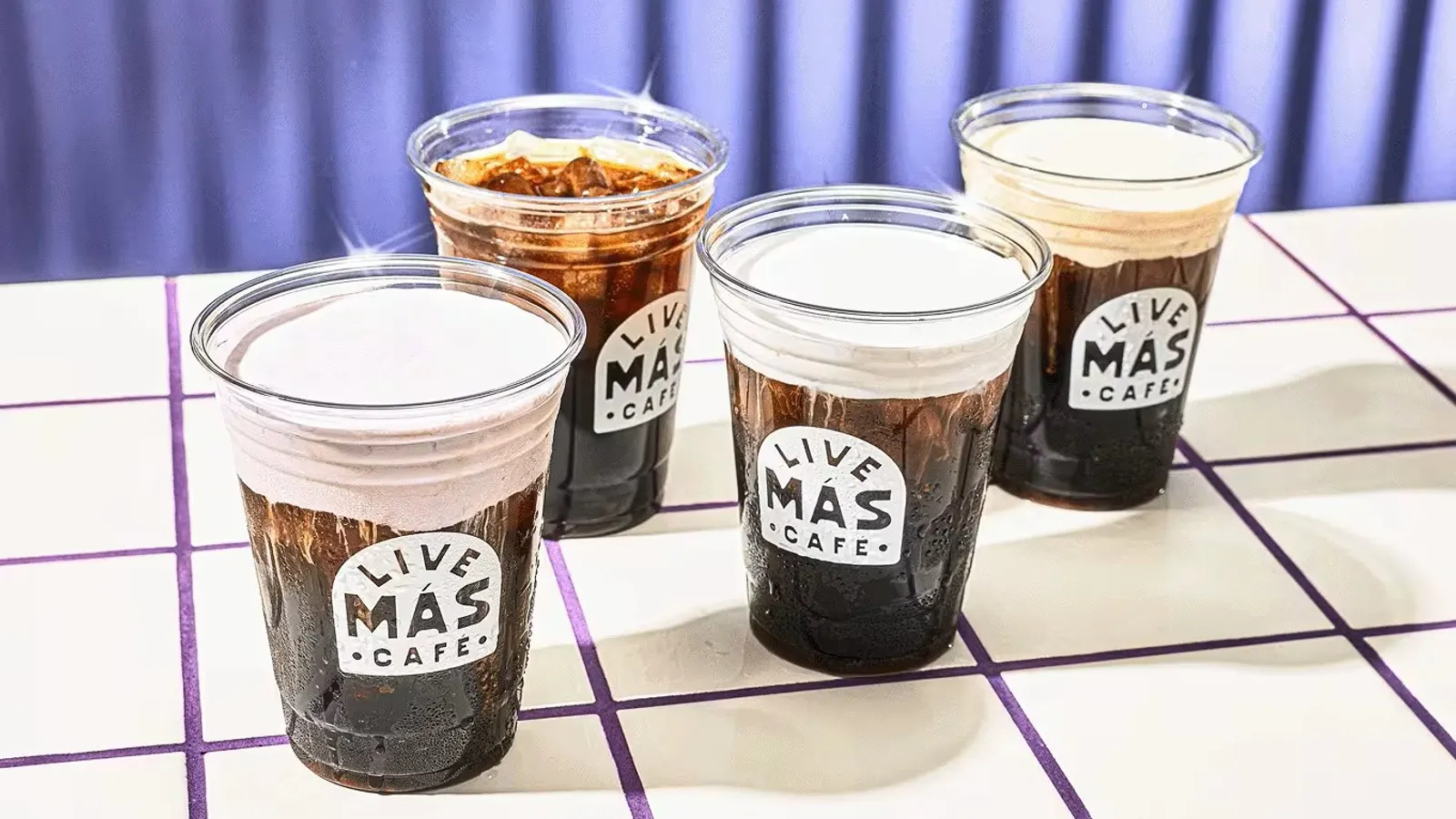
A National Restaurant Association report finds that Gen Z and millennials are driving beverage-only restaurant visits, with demand for coffee variety high but interest in dirty sodas low, though such
Restaurants are facing online criticism for using AI to generate menus and social media content, though some argue the practice deserves more tolerance.

Rove, a rewards platform, has expanded to include dining and in-store rewards capabilities alongside its existing offerings.
Qu has launched an embedded payment platform designed for quick-service restaurants, integrating payments directly into restaurant operations software.
Chipotle launched a '100 Creators' campaign with an apparent openness theme, suggesting the brand is emphasizing accessibility and inclusion in its creator partnership strategy.